The Brand That Got It Right in 1905
A trip to Cadbury World with the kids last weekend gave me an unexpected marketing lesson. While the children were entirely focused on the chocolate, I found myself marvelling at the brand. Not just Cadbury as a whole, though that is remarkable in itself, but Dairy Milk specifically.
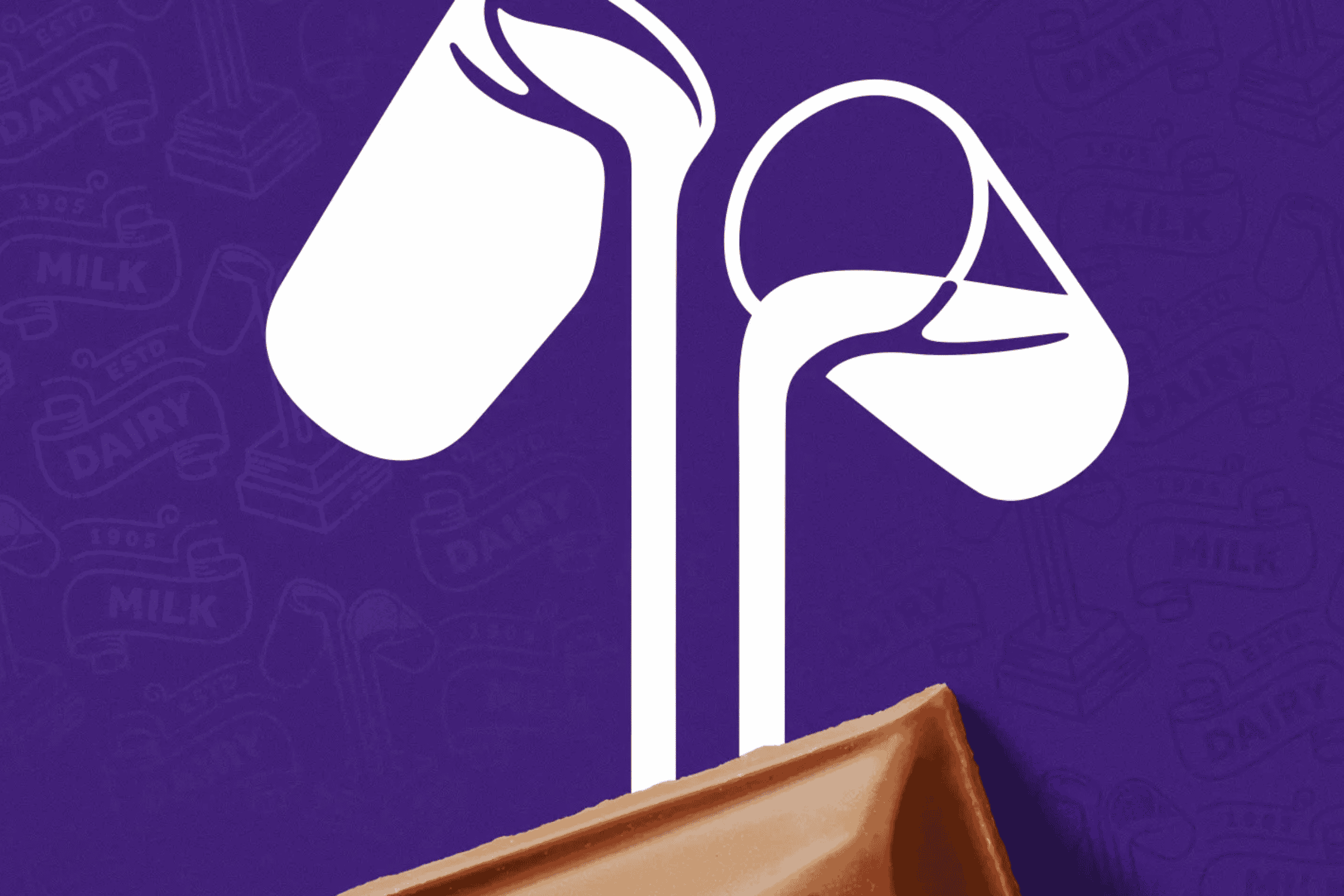
A product launched in 1905. The ‘glass and a half’ promise introduced in 1928. Nearly a century later, it still leads every piece of communication, because it still means something to customers. That is not stubbornness. That is knowing what you have and respecting it.
It also highlights a distinction worth making. Cadbury is the brand. Dairy Milk is the product. Both carry their own identity, and both have held that identity across decades of market change, shifting trends, and significant ownership changes.
The Rebrand Conversation I Have More Than Any Other
In my work with independent businesses and B2Bs, one of the most common conversations I have is with someone who believes they need to rebrand. And I understand the instinct. When growth slows, when a competitor launches something shiny, when you have simply looked at your own logo for too long, a rebrand feels like action.
Early in my career, I walked into a new job completely convinced a rebrand was the answer. Then I looked at the data. The core brand was absolutely fine. Awareness was solid, sentiment was positive, recognition was strong. What was not working was the sub-brand architecture underneath it. Those are very different problems with very different solutions, and confusing them is an expensive mistake
Who Does It Actually Feel Stale To?
Before reaching for a rebrand, it is worth asking honestly: stale to whom? Your existing team has seen the brand every day for years. Of course it feels familiar to the point of invisibility. But your next customer has never seen it before. To them, it is fresh.
The questions worth asking before any rebrand conversation are:
- What is actually working? What do customers recognise, respond to, and associate positively with your brand?
- What is your equivalent of the glass and a half? What is the core product promise that your customers genuinely value, and that you should never dilute or abandon?
- Is the problem the brand, or something underneath it? Messaging, positioning, sub-brand structure, and channel strategy can all be addressed without touching the master brand.
- What does the data say? Customer research, brand tracking, and sales data will tell you far more than internal instinct.
When Rebranding Is the Right Answer
None of this is to say rebranding is never the right move. There are genuine trigger points: a merger or acquisition, a significant shift in target audience, a legacy brand that carries negative associations, or a business that has genuinely outgrown its original identity. In those cases, a rebrand is not just cosmetic, it is strategic.
But those decisions should be driven by evidence and clear business rationale, not by the feeling that it is time for something new.
The brands that endure are the ones that know what they stand for and protect it. Everything else can evolve around it.